

Homeowners in Oregon often wonder if their insurance policies will cover the costs of a plumbing leak. Unfortunately, the answer isn’t always straightforward. Plumbing leaks can be caused by various issues, such as aging pipes, poor maintenance, and even external forces like freezing temperatures or tree root intrusion. Understanding how and when your insurance might step in can help you avoid unexpected costs.
What Types of Plumbing Leaks Are Typically Covered?
Most homeowners’ insurance policies cover sudden and accidental water damage from plumbing issues. However, this usually doesn’t include leaks resulting from gradual wear and tear or neglect.
- Sudden Accidents: If a pipe bursts suddenly, your insurance will likely cover the resulting water damage. For example, if a pipe breaks due to extreme cold weather (common in the Pacific Northwest), insurance will typically cover the repair costs for the damage caused by the leak, though not always the cost of the pipe replacement itself.
- Hidden Leaks: Water damage caused by hidden leaks—those behind walls, under floors, or in the ceiling—may also be covered if they cause sudden, noticeable damage. Some policies cover "slow leaks" if it’s proven the leak was hidden, but this is generally assessed on a case-by-case basis.
- Roof and External Water Intrusion: Homeowners in Oregon often face rain-related issues, especially during the wet months. If water intrusion occurs due to storm damage, insurance may cover repairs, including interior water damage. However, if your roof or gutter maintenance is lacking, you might find yourself footing the repair bill.
What’s Typically Excluded?
Insurance companies generally exclude certain conditions:
- Long-term Leaks or Gradual Damage: Water damage caused by long-standing leaks due to poor maintenance or neglect is not covered. If a pipe has been leaking for years, causing mold and structural damage, insurance is unlikely to pay for those repairs.
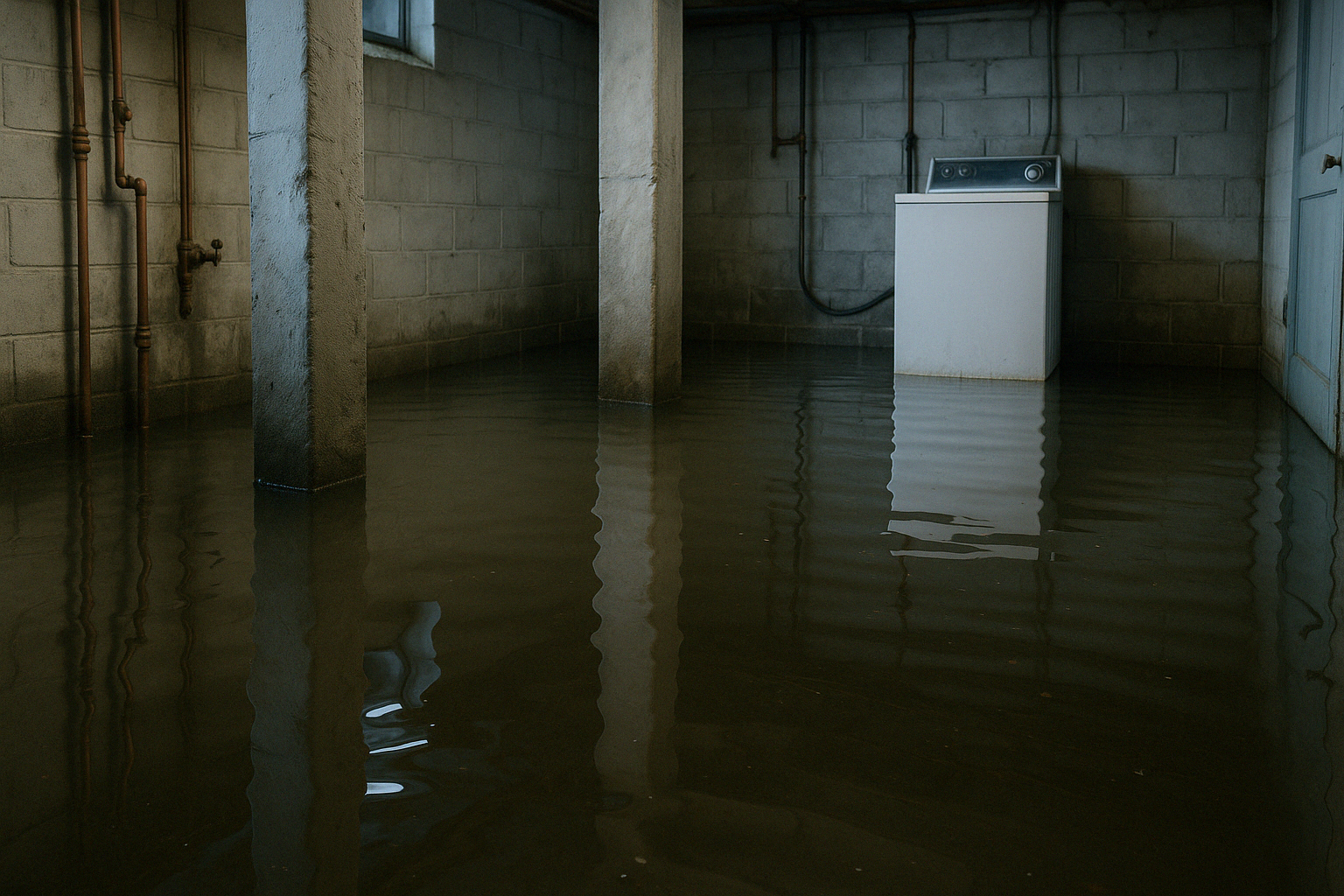
- Sewer and Drain Backup: Oregon policies typically don’t cover damage from sewer or drain backups unless you’ve added a specific endorsement to your policy. Adding this endorsement may be especially valuable in areas prone to heavy rainfall, where sewer backups are more likely to occur.
Special Considerations for Oregon Homeowners
- Tree Roots: Oregon’s landscape has plenty of lush trees, which can mean root intrusion for plumbing systems. Root-related leaks or backups are generally not covered unless they cause immediate damage.
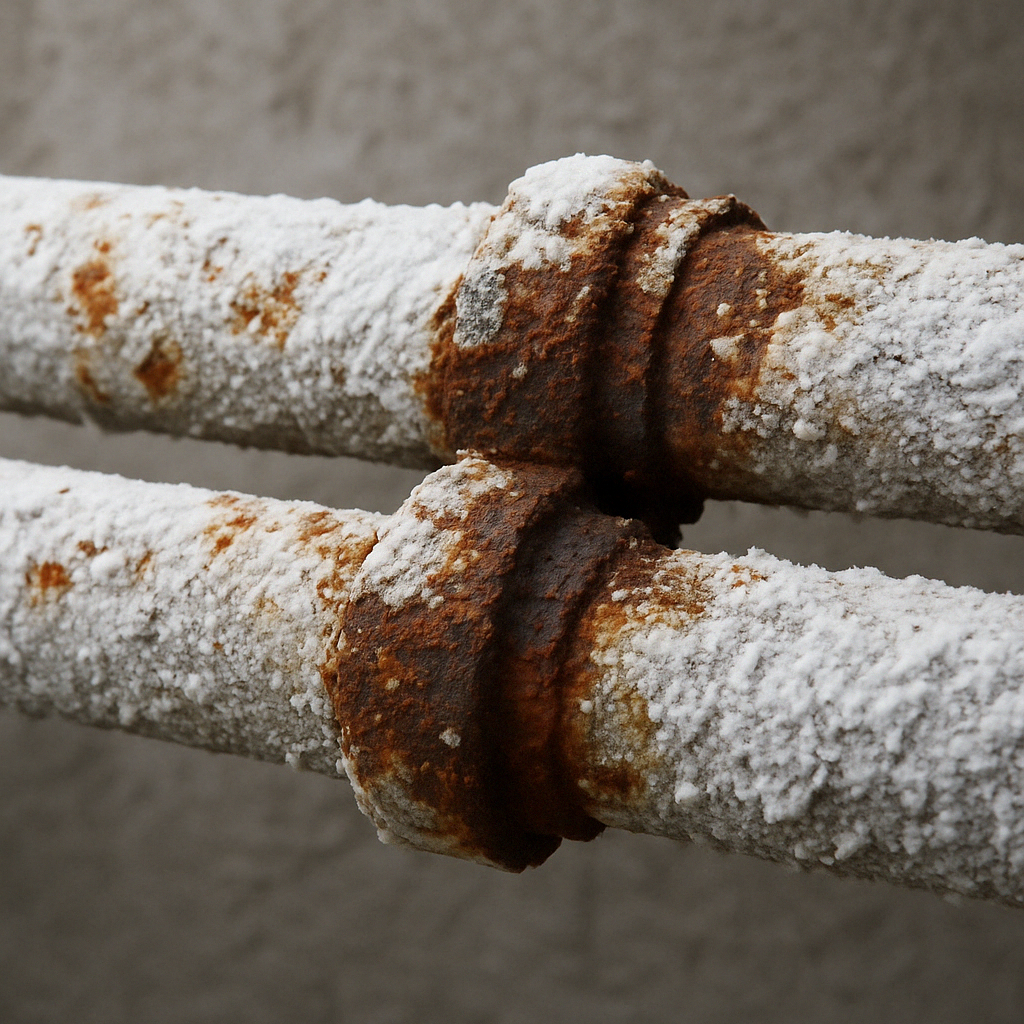
- Winterizing Pipes: Since Oregon temperatures can dip below freezing in winter, freezing pipes are a real risk. To qualify for coverage of burst pipes due to freezing, some policies require proof of proactive winterization, such as insulating pipes or maintaining home heating.
- Mold and Mildew: Oregon's damp climate can encourage mold growth after a leak, which may not be covered. Some policies offer limited coverage for mold remediation, but it often needs to be added as a rider to your standard homeowners' policy.
Steps to Maximize Your Coverage
To ensure your plumbing leaks are covered in Oregon, it’s wise to take proactive steps to avoid damage and understand your policy:
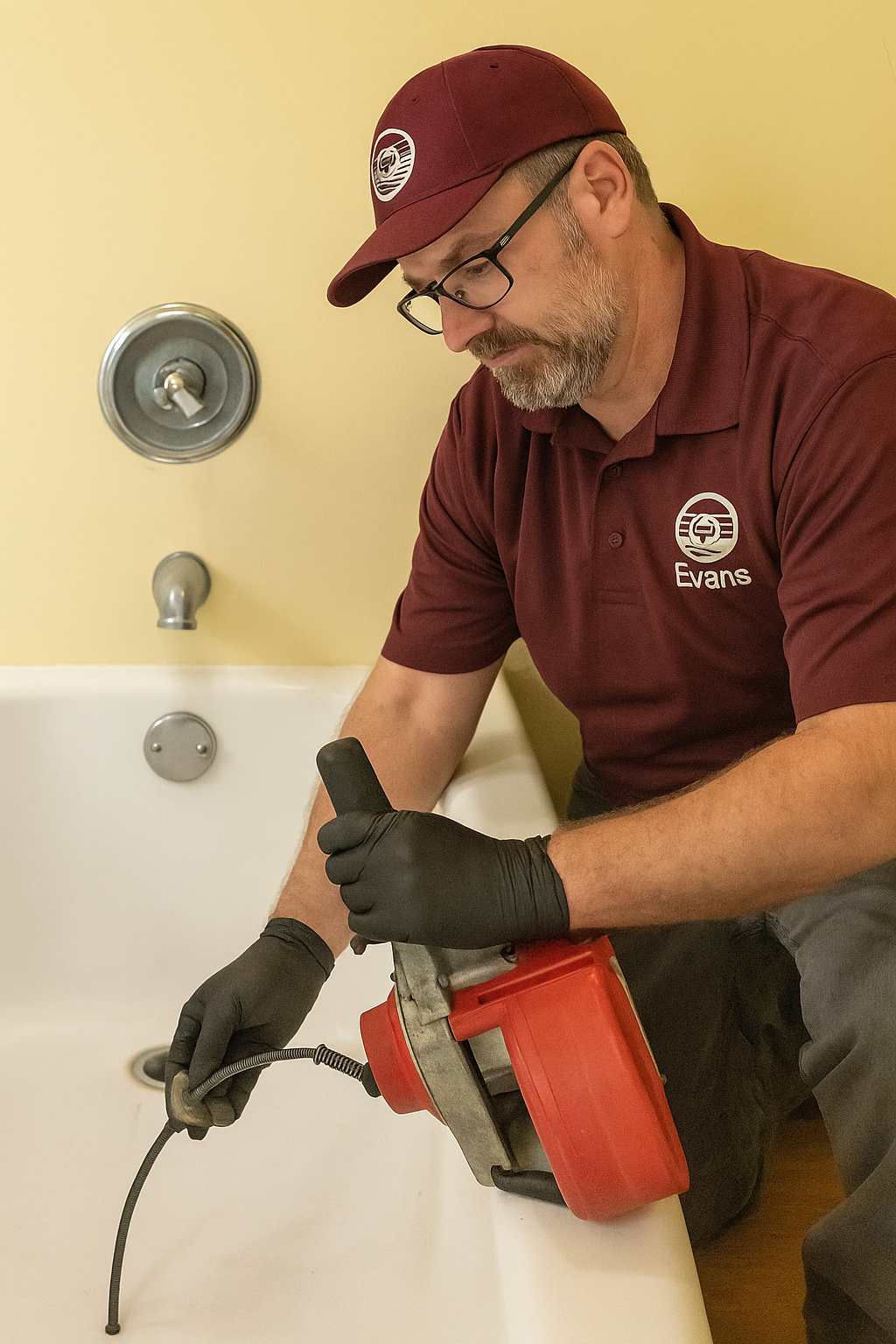
- Maintain Your Plumbing System: Regular maintenance, such as checking for signs of corrosion, inspecting pipes, and cleaning drains, can prevent leaks.
- Add Endorsements: Consider adding water backup and mold endorsements to your insurance policy for added protection.
- Winterize Annually: Each fall, take time to winterize your plumbing to reduce the risk of frozen pipes.
Filing a Claim for a Plumbing Leak
If you experience a plumbing leak, here are steps to follow:
- Document the Damage: Take photos or videos to document the extent of water damage.
- Contact Your Insurer Promptly: The sooner you report the issue, the better. Delays can lead to further damage, which insurers may not cover.
- Get a Professional Assessment: Having a licensed plumber inspect and repair the leak can provide the documentation needed for your claim.
Working with an Oregon Insurance Agent
Each insurance policy is unique, so speaking with an Oregon-based agent can help you understand your specific coverage better. Policies vary based on location, age of the home, and other factors, so it's best to consult an expert to ensure you’re adequately covered.
- Common Homeowner Insurance Policies in Oregon – Link to an Oregon-specific insurance guide.
- Winterizing Your Home’s Plumbing – Link to a guide on winterizing plumbing for Oregon weather.
- Tree Root Intrusion Prevention Tips – Link to an article on managing tree root intrusion.






Share On: